Built for change.
Teach new physical work through demonstrations instead of engineering every behavior from scratch.
- Show
- Understand
- Execute
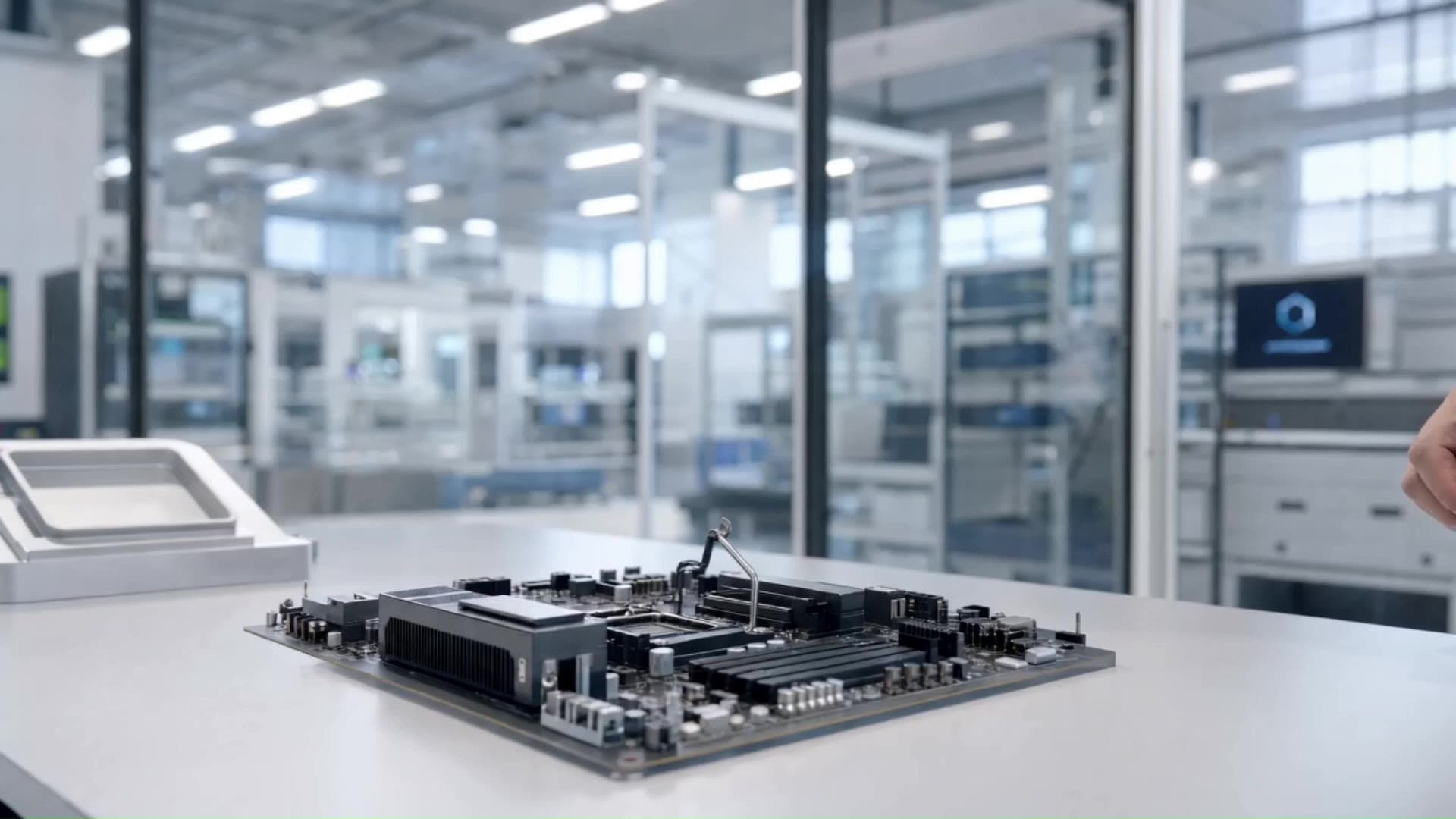
Build the next generation of automation with Robotensor — powered by frontier robot intelligence.
New products, objects, layouts, and workflows still trigger expensive engineering cycles.
We're building a new automation layer where robots can learn from demonstrations and adapt as the work changes.
Teach new physical work through demonstrations instead of engineering every behavior from scratch.
Objects move. Products vary. Workspaces change. Procedures evolve.
Future automation must operate beyond one fixed environment.
Adapt across objects, positions, environments, and workflows.
Intelligence should not be locked to one arm, gripper, camera setup, or machine.
We're building toward foundation intelligence that can transfer across robot systems and industries.
For assembly, insertion, cable handling, tooling, and contact-rich manipulation.
From isolated robot skills to complete physical workflows.
Operate through variation, disturbances, and imperfect real-world conditions.
Bring frontier models toward fast, closed-loop physical control.
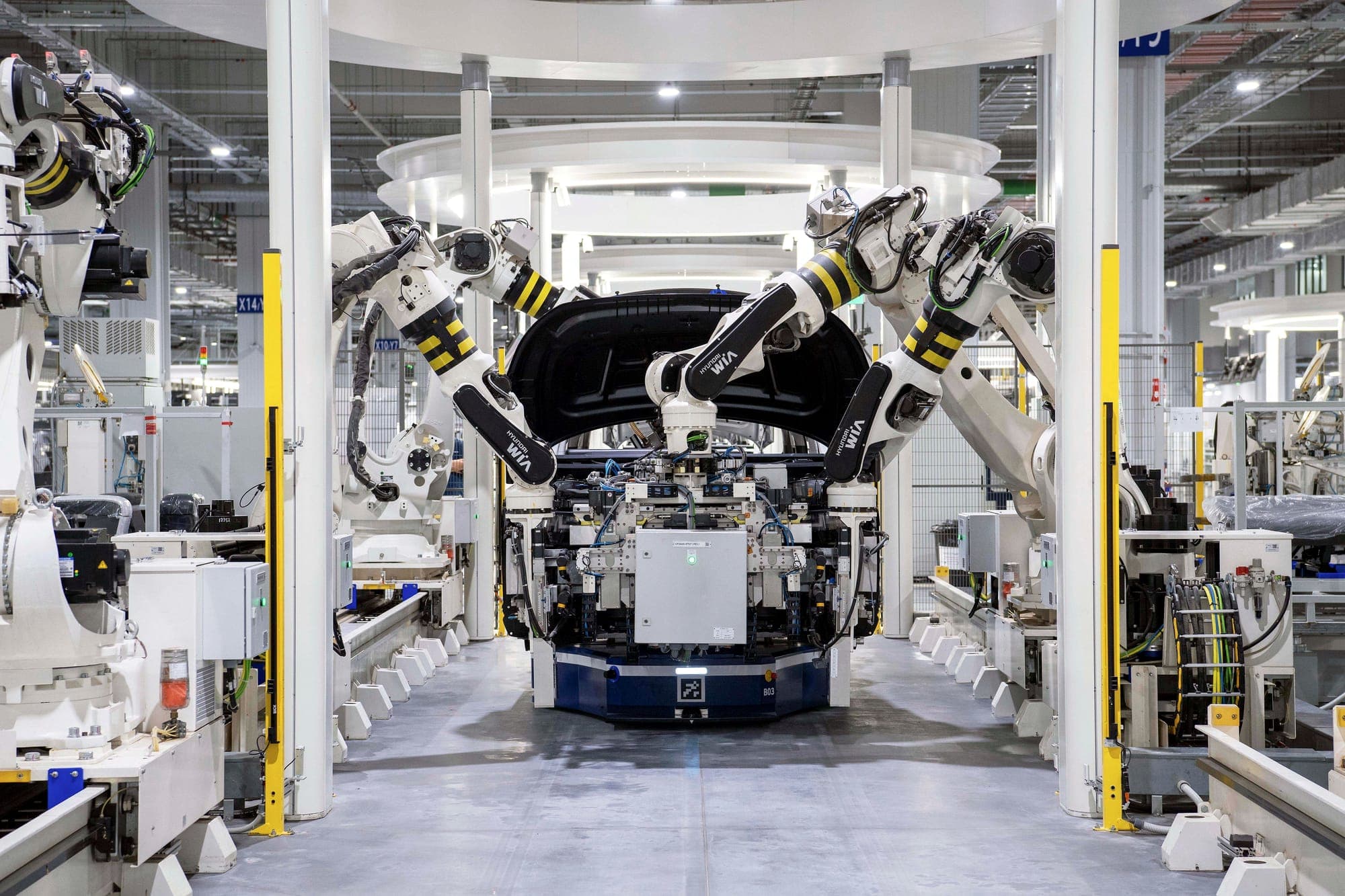
Automation that moves with production.
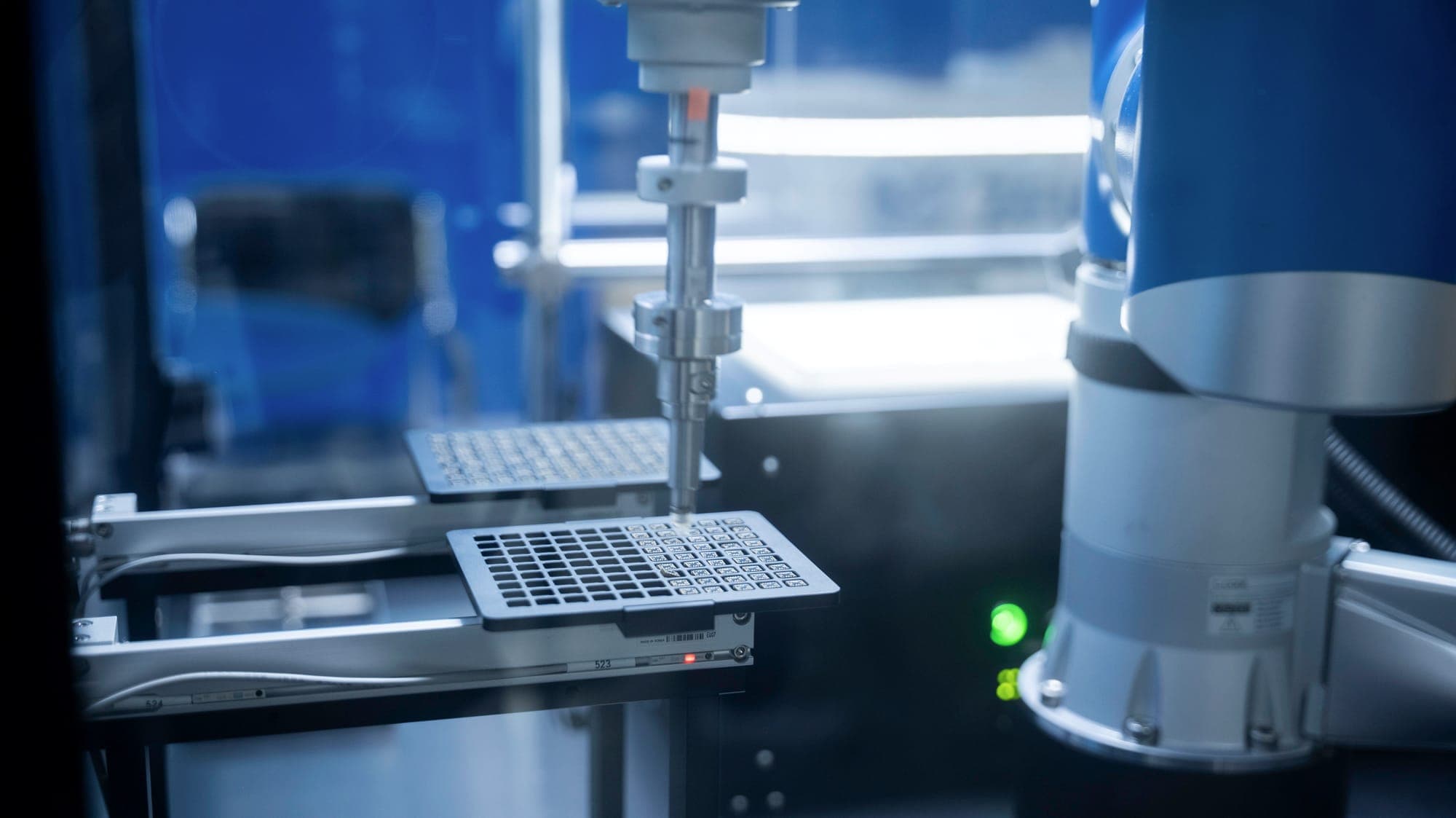
Automation that adapts with the procedure.
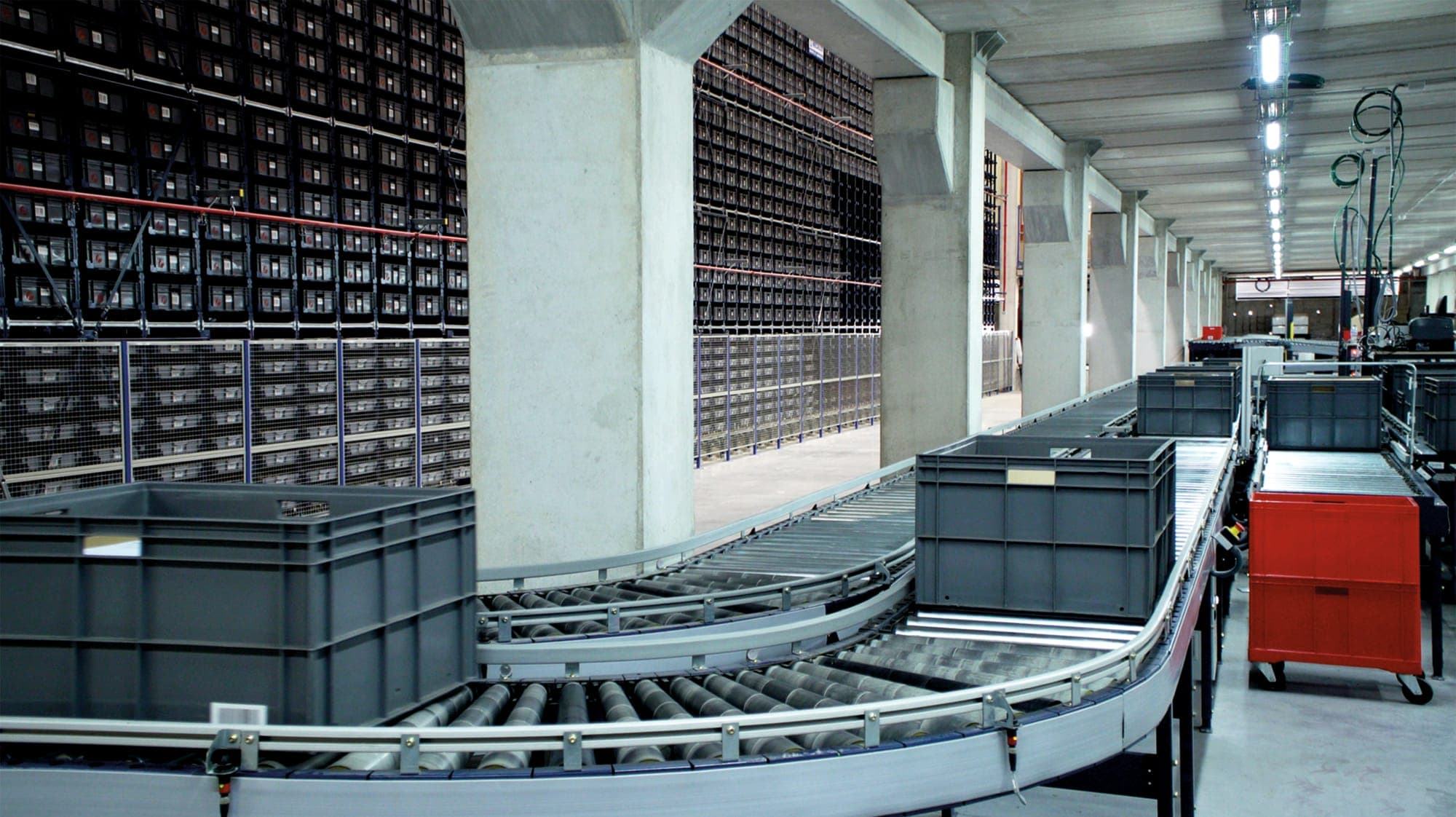
Automation built for constant variation.
Robotensor
Adaptive intelligence for precise manipulation.
Built toward learning from robot demonstrations, handling variation, and transferring across robot systems.
Robotensor
Toward robots that learn physical work by watching.
Built around human demonstrations, World Action Models, long-horizon intelligence, and efficient inference.
Robotensor researches the technologies that can redefine how robots are taught and deployed.
Vector and Horizon are continuously advanced through Attune, Robotensor's open model competition.
Robotensor is building adaptive robot intelligence for a future where robots can learn new work, move across embodiments, and operate in environments that never stay completely fixed.
Our direction is simple:
Make automation more intelligent, more adaptable, and dramatically easier to change.
3 open roles
Robot foundation models, evaluation, simulation and the systems work around them.
We're looking to work with robot manufacturers, industrial teams, laboratories, and automation partners pushing beyond fixed robotic systems.
Let's build what comes next.